Raw Synths and Reality: MUNA Confronts Global Crisis on ‘Dancing On The Wall’
A Shift Away From Escapism
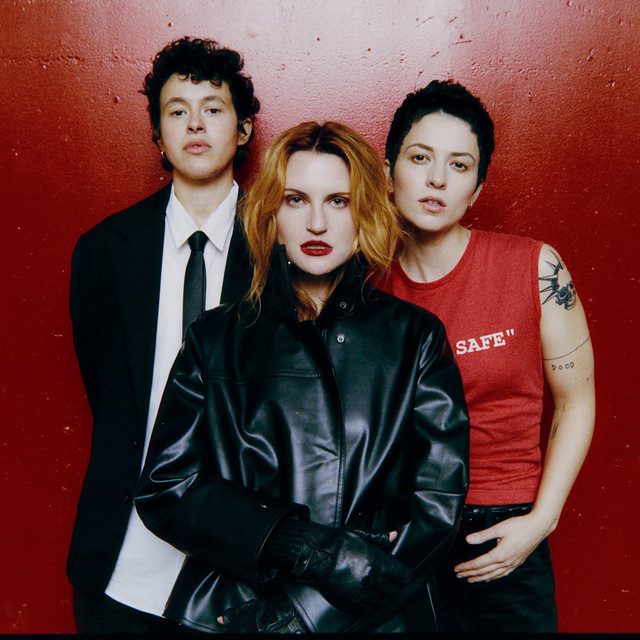
MUNA, the Los Angeles-based alternative pop trio, released their fourth album Dancing On The Wall on May 12, 2026. It arrived quietly but carried a strong sense of intensity across the US, reflecting years of change within the band. Following their 2022 success, the group returned with rising expectations and a more urgent, emotionally clear direction.
Katie Gavin highlighted a shift away from escapism in interviews surrounding the release. The album embraces a rawer sound and a direct engagement with reality. The opening track, "It Gets So Hot," blends intimate emotions with a growing sense of crisis. Her vocal delivery feels immediate, less polished, and more emotionally direct, shaping the album's overall impact.
The Evolution of a Bold New Voice
The release of Dancing On The Wall marked a turning point for MUNA in Los Angeles. Fans across streaming platforms awaited a more urgent sound release. The album quickly drew attention for its sharper political tone. Listeners described it as both challenging and emotionally compelling work.
Inside the city, early listening parties shaped expectations for the album. The band's evolving identity became a central talking point among fans online. Critics noted a shift toward raw emotion and political clarity. Expectations grew as the album promised a completely different artistic voice from the band.
The official release day saw strong engagement across music videos. Social media reactions quickly reflected excitement over the band's new direction. Streaming numbers climbed as listeners explored the album across global platforms. The release established MUNA as a band entering a bold new musical era.
Connecting Anthem with Activism
The album's political message became a defining element of its release. It was introduced alongside a Bandcamp fundraiser supporting humanitarian aid efforts globally. The initiative reflected the band's intent to connect music with activism. This move positioned the album within broader cultural conversations on a large scale.
The title track stands as the emotional core of the album. Its lyrics address conflict, power, and the cost of disengagement directly here. The song became a major point of discussion among listeners and critics. It connected personal emotion with a broader sense of global responsibility in a powerful way.
MUNA's artistry remains grounded in strong songwriting and narrative flow. Transitions between tracks create a cohesive listening experience for the audience here. The album balances experimentation with recognizable melodic structures across its full runtime. It avoids relying on nostalgia while still honoring the band's earlier success.
Stripping Away the Studio Polish
MUNA's new record embraces a rougher sonic landscape than previous releases. Guitars and rhythms are intentionally less polished, creating a textured and grounded feel overall. The band focuses on emotional immediacy rather than perfect studio refinement this time. Each track carries a tension between joy and global uncertainty in its design.
Katie Gavin's voice delivers a more direct emotional tone throughout the record. Her singing highlights honesty, vulnerability, and a strong sense of urgency throughout the album. The songs shift between intimate reflection and broader political awareness clearly here. This marks a clear departure from the band's earlier escapist sound and creative direction.
The opening track immediately places urgency and intimacy side by side. It blends personal desire with rising societal anxiety in equal measure. This duality shapes much of the album's emotional structure across its runtime. The project maintains strong songwriting and flow while avoiding nostalgia.
Our fans come to the shows to feel safe and to feel seen. When we write songs like 'Silk Chiffon,' it's not just a pop track; it's an invitation to a space where you don't have to explain who you are.
The guitar work in our newer material is a lot more experimental. We started as a pure electronic band in college, but live touring taught us how to bring dirtier, heavier elements into the synths