Joe Jackson’s Latest Album Embraces Genre Fluidity
When English singer-songwriter Joe Jackson released Hope and Fury on April 10, 2026, he returned the way he always has at his best: in motion. Built between Berlin and New York and shaped by a band of seasoned players, the album carries the wit, nerve, and restless energy that have long kept Jackson from standing still. For American listeners, it lands not as an exercise in nostalgia, but as a sharp reminder that he still values forward drive over comfort.
A restless return to the studio
The story of Hope and Fury begins in motion. Jackson started the album at Michael Tibes' Fuzz Factory studio in Berlin, then brought it to Reservoir Studios in New York with co-producer Patrick Dillett, giving the project a shape that reflects the cities behind it. The record's journey mirrors the mood of the songs, never static and never overly polished.
The players around him strengthen movement. Bassist Graham Maby, guitarist Teddy Kumpel, and drummer Doug Yowell returned to the fold, while Peruvian percussionist Paulo Stagnaro added rhythmic color that helps the album shift easily between styles. Their presence gives Jackson a band that can follow sharp turns without losing momentum or clarity.
That returning lineup also gives the release added weight in 2026. Hope and Fury is Jackson's first studio album since Fool in 2019, arriving after 2023's What a Racket! and marking a clear return to a band-driven set of new songs. Rather than sounding cautious, the album moves with the energy of a fresh session.
Genre fluidity at the heart of Hope and Fury
Jackson has always treated genre as material, not a boundary, and Hope and Fury carries that instinct into every corner. He has described the record as "Bicoastal LatinJazzFunkRock," a phrase that sounds playful at first but proves accurate once the songs begin to unfold. The album brings together changing rhythms, melodic turns, and tonal shifts while keeping Jackson's songwriting at the center.
"Welcome to Burning-by-Sea" opens the record with a vivid fictional setting inspired by English coastal life, mixing chant-like energy with unease and wit. "Fabulous People" adds a sly edge, while "I'm Not Sorry" pushes forward with sharper sarcasm and direct language. The mood changes, but the music remains connected by Jackson's voice and timing.
The later songs widen that range without breaking the album's focus. "After All This Time" looks at a long relationship with bittersweet calm, and "End of the Pier" stretches into a broader narrative shaped by memory and contrast. By the time "See You in September" arrives, the album has moved through several textures while still sounding like one deliberate work.
A veteran artist still moving forward
By the closing stretch of Hope and Fury, Jackson sounds less like an artist looking back than one still pressing forward. He moves through shifting styles with confidence, giving each song its own pulse while holding the album together with a steady creative hand.
That is where the record finds its real power. Hope and Fury turns genre fluidity into a sign of growth, showing that experience does not have to lead to repetition. In Jackson's hands, change becomes its own kind of strength, and the music feels richer because he keeps moving.
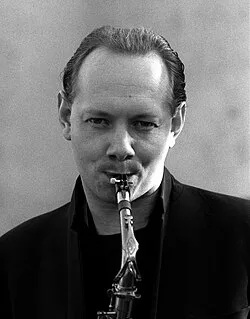
While Joe Jackson’s debut preceded the peak of the Second British Invasion, he is often identified as a cornerstone of the movement's intellectual wing. Alongside contemporaries like Elvis Costello and Graham Parker, Jackson helped dismantle the dominance of American soft rock by introducing a lean, literate, and acerbic style that bridged the gap between punk and the "Cool Wave" of the early 1980s. His presence on MTV in its infancy—particularly with the sophisticated, piano-driven hits from Night and Day—proved that the "Invasion" wasn't just about synth-pop and flamboyant fashion, but also about refined songwriting and diverse musical influences. By successfully translating his eclectic UK sensibilities into major US chart success, Jackson helped pave the way for the stylistic variety that defined British music's dominance in America throughout the decade.
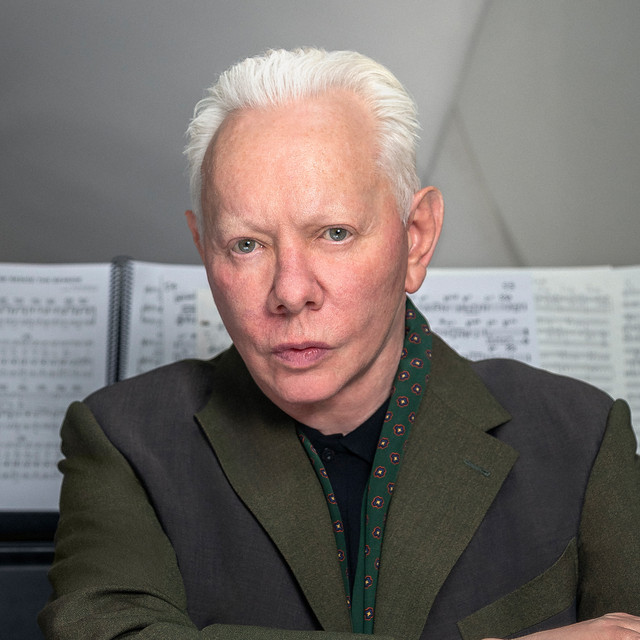
Joe Jackson's latest album, 'Hope and Fury,' demonstrates his signature genre fluidity and relentless energy, emphasizing his ongoing evolution as an artist.
- The album, recorded between Berlin and New York, features a seasoned band that adds rhythmic variety and keeps the music dynamic.
- Jackson's 'Hope and Fury' showcases his ability to blend various musical styles while maintaining a cohesive narrative and his distinct voice.
- Rather than resting on past achievements, Jackson uses the album to highlight his ongoing creative growth and refusal to be defined by any single genre.