March 26, 2025
Independent Houston music artists grapple with streaming’s broken promises
As music streaming dominates global listening habits, Houston’s independent musicians are confronting the downsides of a system that many say barely pays.
While Spotify and other platforms claim billions in payouts to the industry, local artists argue the current model leaves them with little revenue, forcing them to rely on merchandise and physical album sales to survive.
While Spotify and other platforms claim billions in payouts to the industry, local artists argue the current model leaves them with little revenue, forcing them to rely on merchandise and physical album sales to survive.
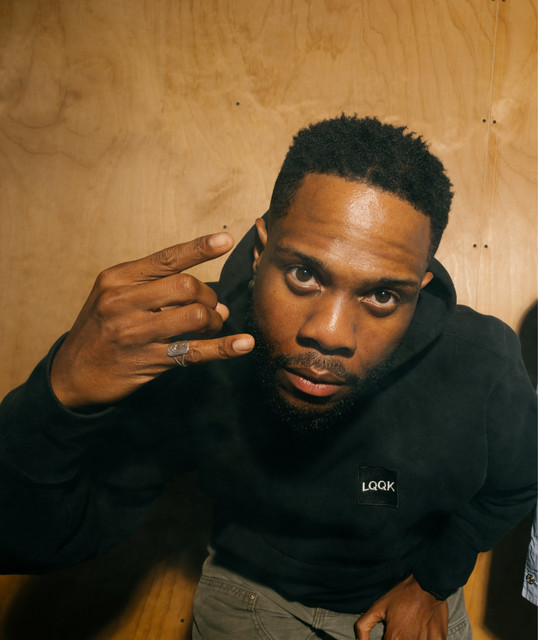
This content adapted from the Wikipedia page Fat Tony (rapper), licensed via CC BY-SA. Content retrieved was modified to fit the context and style of this story.

Wild Moccasins
Spotify’s impact on Houston
Spotify, once heralded as a solution to music piracy, now boasts over 250 million paying subscribers and 678 million active users. Yet, concerns over royalty payments have grown. Superstar artists like Taylor Swift and Snoop Dogg have publicly criticized the platform’s payout structure, with Snoop revealing he was paid just $45,000 for one billion streams.
Houston musicians share similar frustration. Kam Franklin of The Suffers and Zahira Gutierrez of the Wild Moccasins call streaming unsustainable for small artists. Franklin referenced Mood Machine, a book that argues platforms like Spotify promote generic music through mood-based playlists, harming independent creators' discoverability.
Fat Tony, another Houston artist, said streaming doesn’t yield income unless a song racks up millions of plays.
Houston musicians share similar frustration. Kam Franklin of The Suffers and Zahira Gutierrez of the Wild Moccasins call streaming unsustainable for small artists. Franklin referenced Mood Machine, a book that argues platforms like Spotify promote generic music through mood-based playlists, harming independent creators' discoverability.
Fat Tony, another Houston artist, said streaming doesn’t yield income unless a song racks up millions of plays.
Lily Allen
imagine being and artist and having nearly 8 million monthly listeners on Spotify but earning more money from having 1000 people subscribe to pictures of your feet.
Streaming as exposure, not income
Despite the financial shortfall, some musicians see value in streaming for exposure. Fat Tony credited Spotify’s algorithm with expanding his audience in 2015. However, he and others emphasized that they earn more by selling vinyl and merchandise.
Record store veteran Steven Suarez agrees, saying streaming helps discovery but rarely replaces physical sales.
With vinyl resurging, Houston’s artists and record makers urge fans to support by buying albums and attending shows — a lifeline in the era of digital music.
Streaming feels more like a foot in the door than a real paycheck for Houston musicians. They’re asking fans to show love the old-school way by buying records, attending shows, and keeping the music alive.
Record store veteran Steven Suarez agrees, saying streaming helps discovery but rarely replaces physical sales.
With vinyl resurging, Houston’s artists and record makers urge fans to support by buying albums and attending shows — a lifeline in the era of digital music.
Streaming feels more like a foot in the door than a real paycheck for Houston musicians. They’re asking fans to show love the old-school way by buying records, attending shows, and keeping the music alive.
If you're not streaming 5 to 10 million streams on a song, then there's not any real money to speak of