From Violin to Power Pop: How Jack McLaughlin Built the Sound of Jack & The Optimists
A Sound That Doesn’t Fit Neatly in One Box
Ask Jack McLaughlin to describe the sound of Jack & The Optimists and you quickly discover that a simple genre label does not quite do the job.
There are recognizable reference points. McLaughlin talks about alternative music, power pop, garage rock and a vintage aesthetic. “Mod pop” still works as a shorthand, but even he seems reluctant to let it define the band too narrowly. One song can lean toward the rawer, garage-driven side of his writing, while another might pull from R&B or older pop traditions.
What connects those different directions is something more fundamental: McLaughlin writes for melody, and he writes for hooks.
“I try to write things with hooks,” he says.
That approach makes more sense when you look at where his musical vocabulary came from.
Music was part of McLaughlin’s life from childhood. The Beatles were an early gateway, introduced by his parents, but he did not stop with the obvious influences. He remembers digging into records by Buddy Holly, Leslie Gore, Herman’s Hermits and other older pop and rock artists, developing a particular affection for the sound of the early 1960s.
“I just liked old music,” he says. “I just liked that sound of the early ’60s.”
His influences reached even further back. Through his grandparents, McLaughlin was exposed to older popular songs and the songwriting traditions of figures such as Cole Porter, George Gershwin and Irving Berlin. Those melodies became part of the way he heard music long before he began developing his own identity as a songwriter.
At the same time, he was learning music from two very different directions.
Drums gave him rhythm, force and a connection to rock and roll. Violin gave him melody, classical technique and another way of understanding musical structure.
Guitar came later, during high school. But when it did, it became the instrument where those earlier influences began to meet.
That combination—old records, classical training, percussion, songwriting and guitar—is one of the keys to understanding Jack & The Optimists today. The music may be difficult to reduce to one genre, but its roots are anything but random.
“Mad About You” offers a snapshot of one side of where Jack & The Optimists are now. McLaughlin describes the track as having a garage-rock feel—“very garage, Jack White-ish”—part of a newer body of work that is increasingly difficult for him to place inside a single genre.
Before Guitar, There Were Drums and Violin
McLaughlin’s path to guitar was not especially conventional.
He began playing drums as a child, then became fascinated with violin. He remembers seeing one when he was young and repeatedly asking his father for one until his parents finally agreed—on the condition that he practice and take lessons.
He stuck with it.
Over time, violin became more than another instrument. It gave him years of classical training and eventually helped him with composition and arranging. He still plays today and has used violin when building string parts for recordings.
Meanwhile, drums connected him to a different musical world.
He could play along with Led Zeppelin and The Who, then turn around and play Vivaldi or a classical sonata on violin.
For McLaughlin, those weren't competing identities. They were simply different parts of the same musical education.
I’ve always been two halves of that.
McLaughlin began playing guitar in high school and quickly started using it to write songs.
Early on, he says, some of those songs naturally reflected what he was hearing at the time—the melodies and chord progressions of Beatles-era pop and related music. But years of practice gradually expanded what he could do with the instrument.
More importantly, his earlier musical training began shaping the way he played.
When McLaughlin hears a guitar phrase in his head, he often approaches it like a violinist. His melodic instincts tend to come from major and minor scales rather than relying entirely on the blues-oriented pentatonic patterns common in rock guitar.
His right hand tells a different story.
That comes from drums.
The result is a guitar style built from two musical languages he had already spent years learning before guitar ever became his primary instrument.
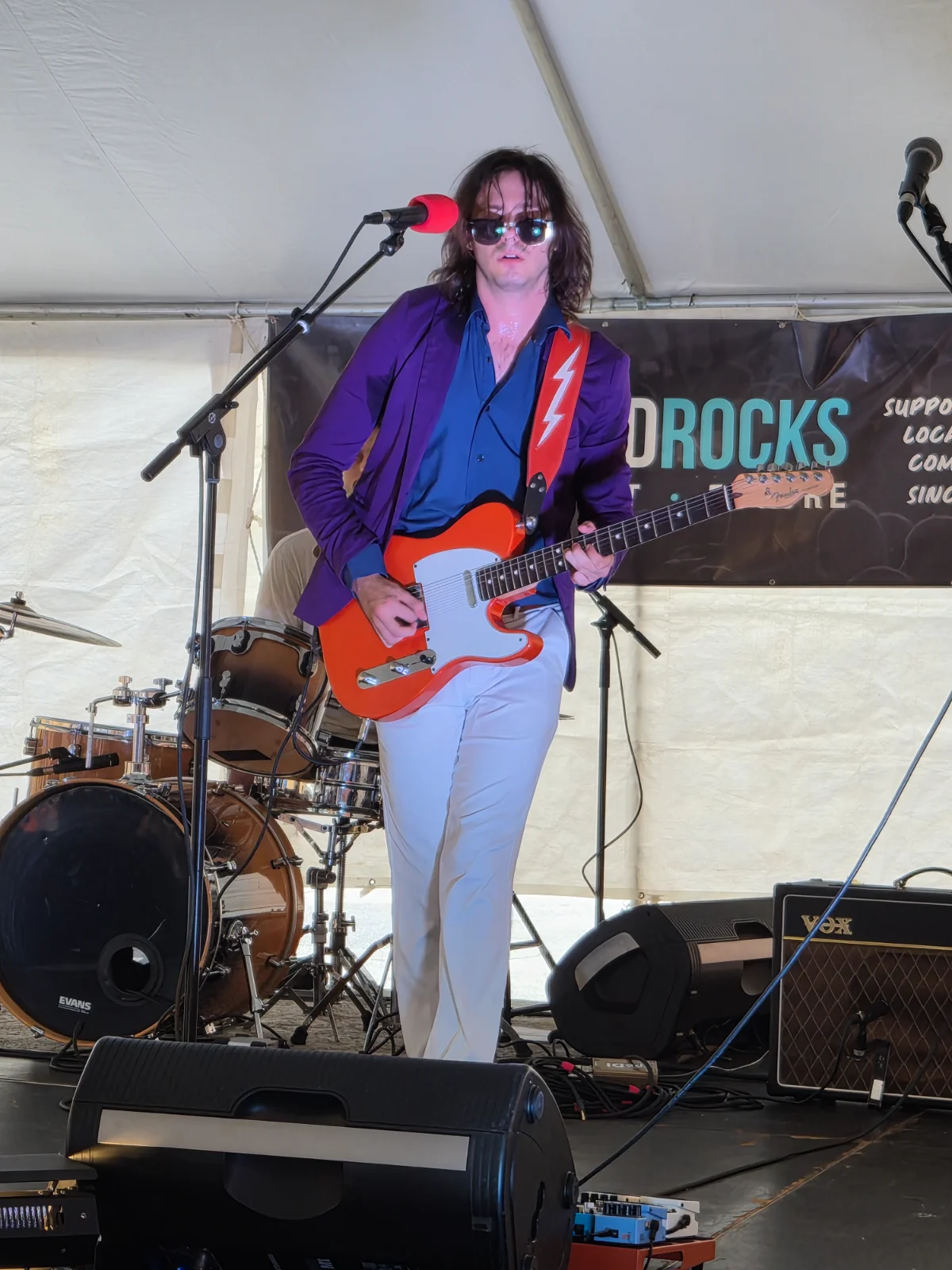
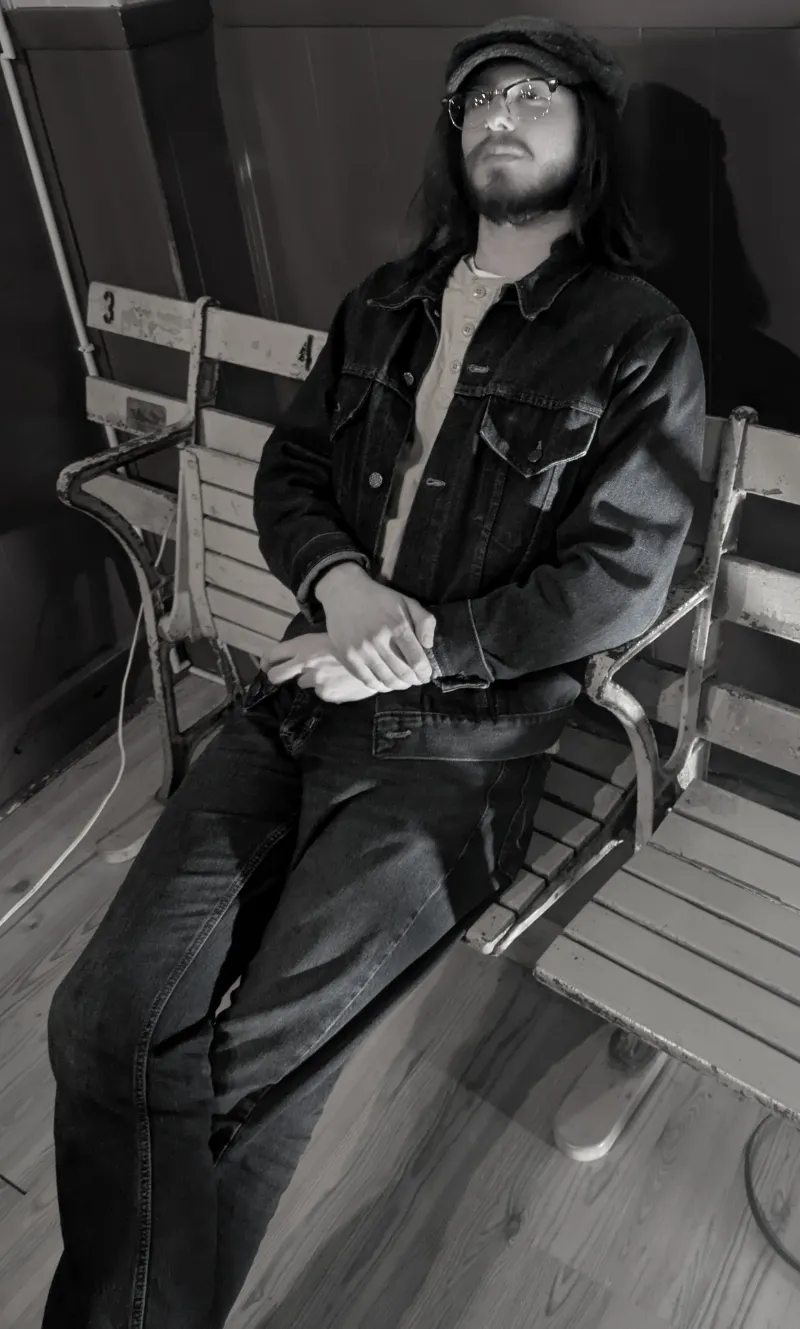
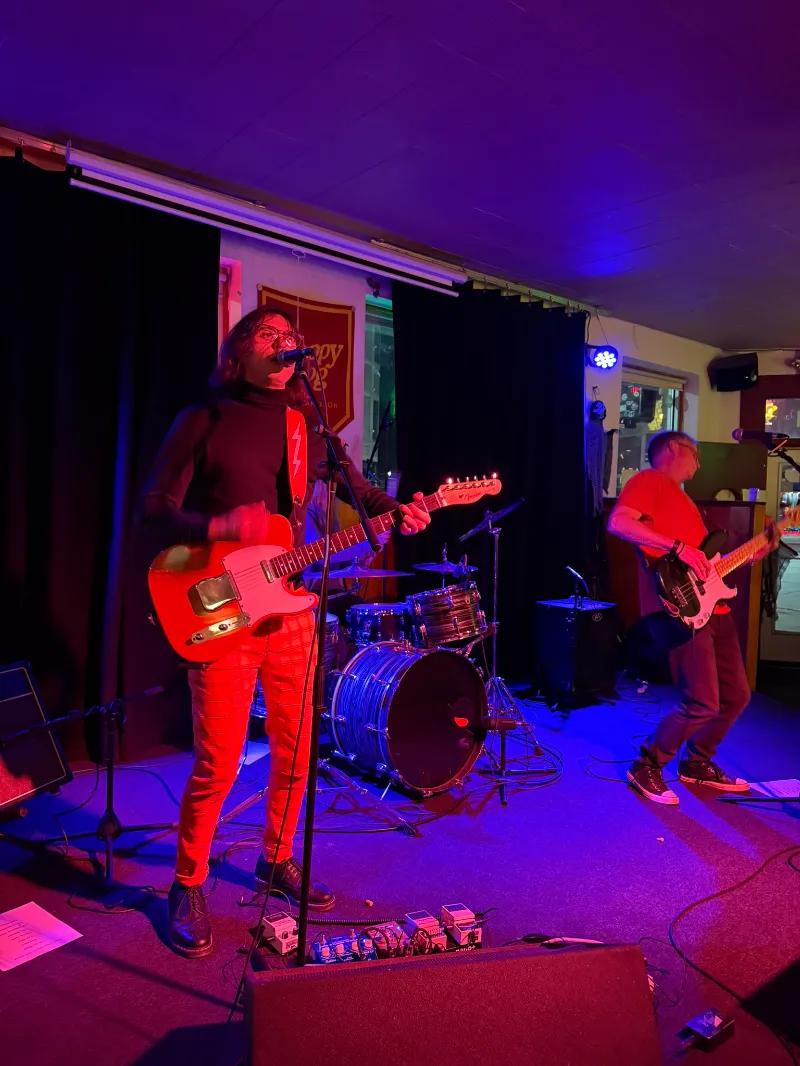
“My right-hand approach, like my strumming, is all influenced by drumming. I have a very percussive rhythmic right hand.”
Building Something New From Everything That Came Before
That combination helps explain why Jack & The Optimists can draw so noticeably from the past without simply trying to recreate it.
The Beatles are there. So are early-'60s pop, garage rock, classical violin, old American songwriters and the rhythmic instincts of a drummer.
But McLaughlin’s interests are continuing to expand.
He says his recent writing has become harder to contain inside a single category. One song might pull toward garage rock. Another can move toward R&B. Power pop remains part of the equation, but so does a willingness to follow wherever the next song leads.
For an artist who grew up moving easily between Vivaldi, The Who, Buddy Holly and The Beatles, that evolution feels natural.
Jack & The Optimists may carry a vintage aesthetic, but McLaughlin’s recent writing is pulling from an increasingly broad musical vocabulary. The influences remain recognizable; the combinations continue to change.
The past gave him the vocabulary.
What he does with it next is becoming the sound of Jack & The Optimists.